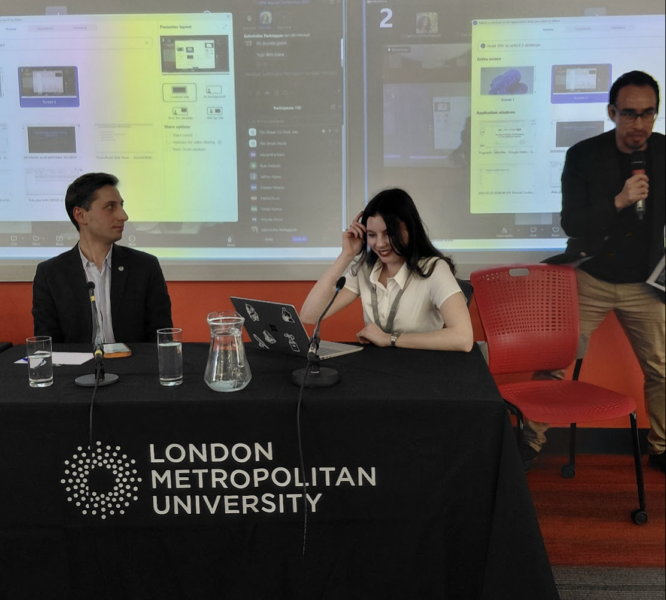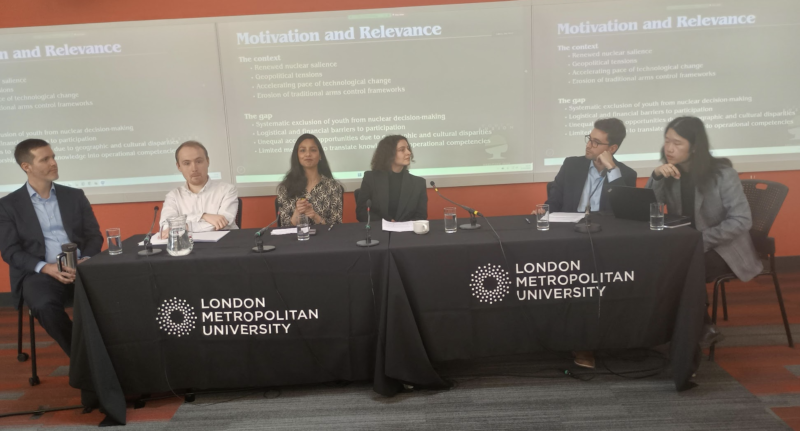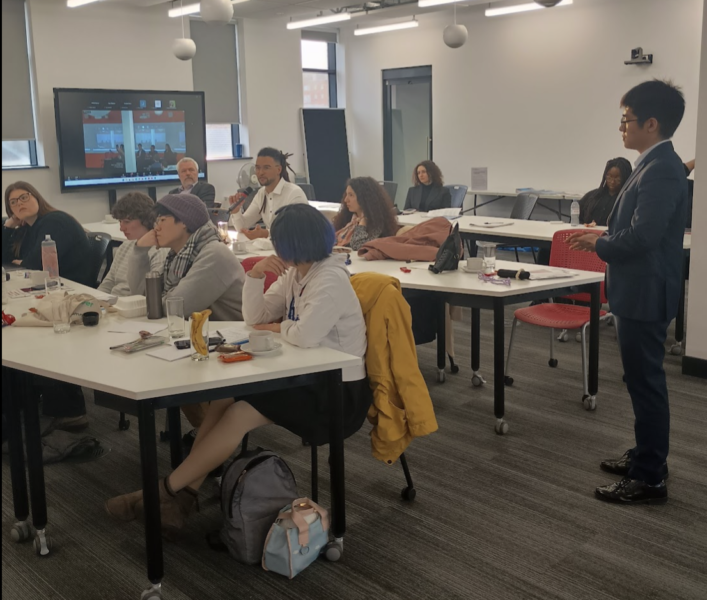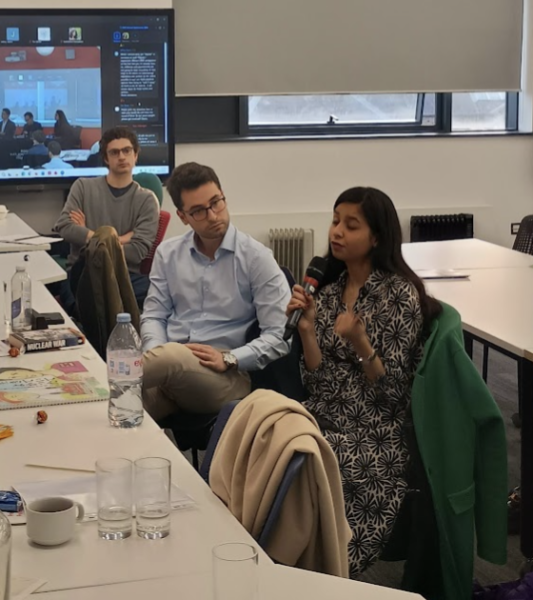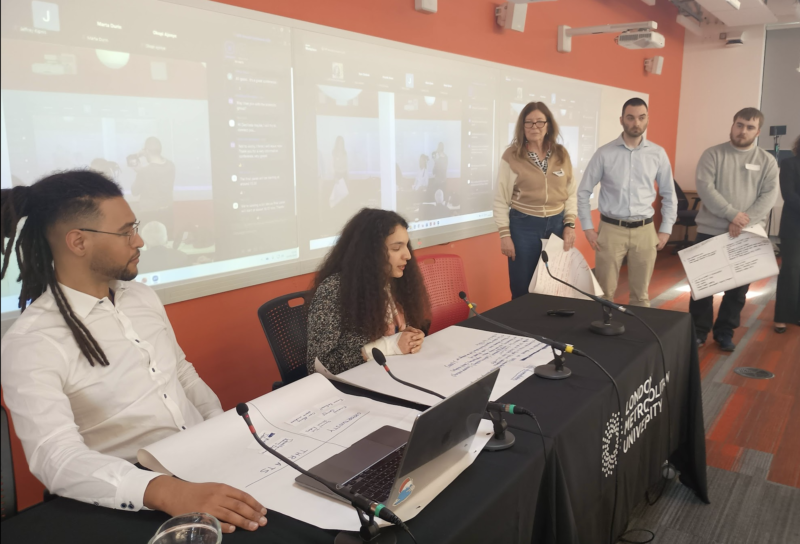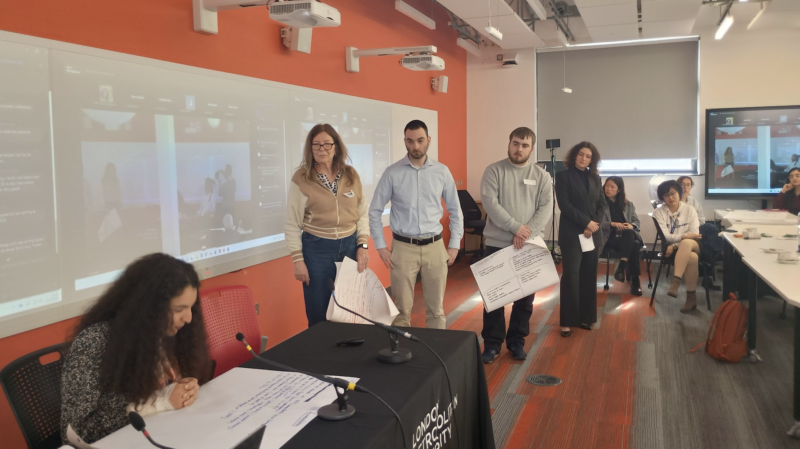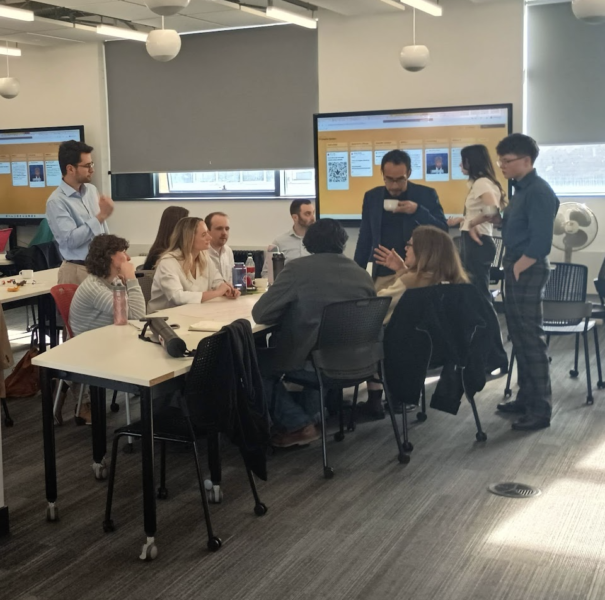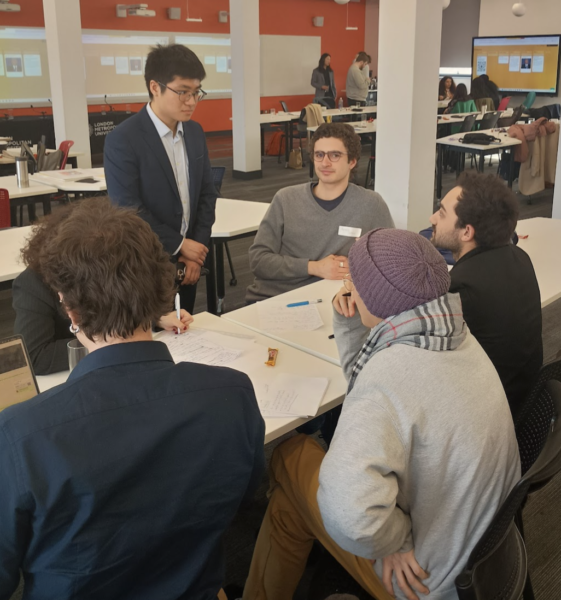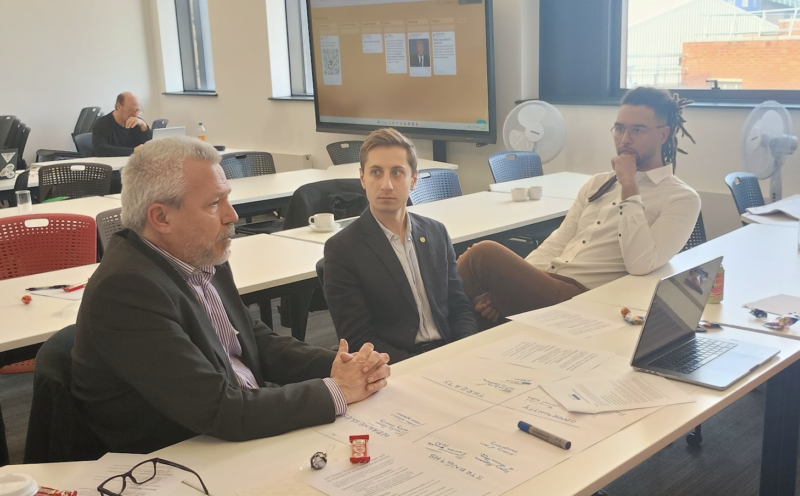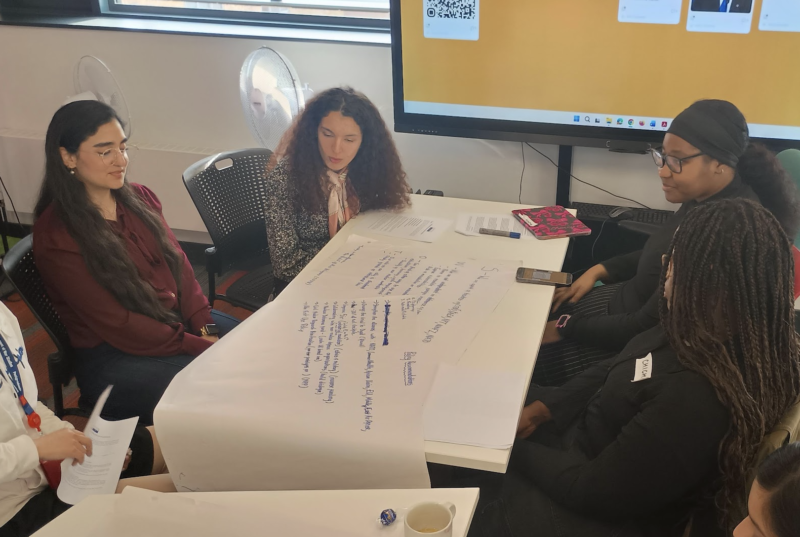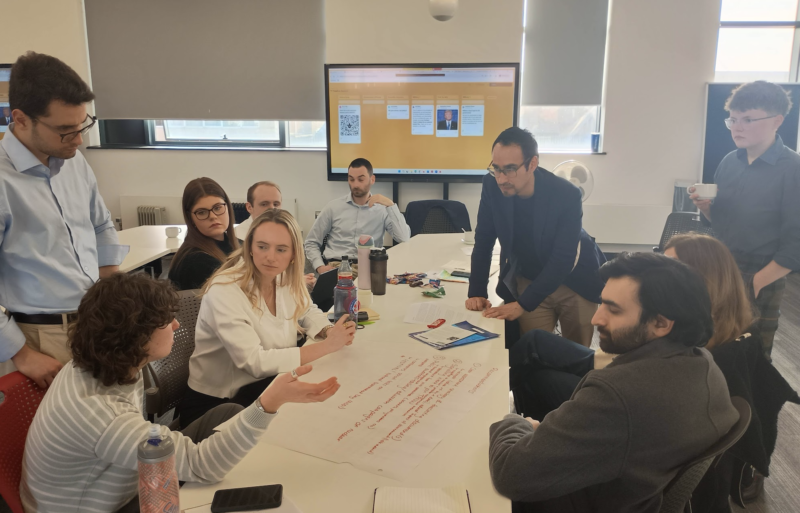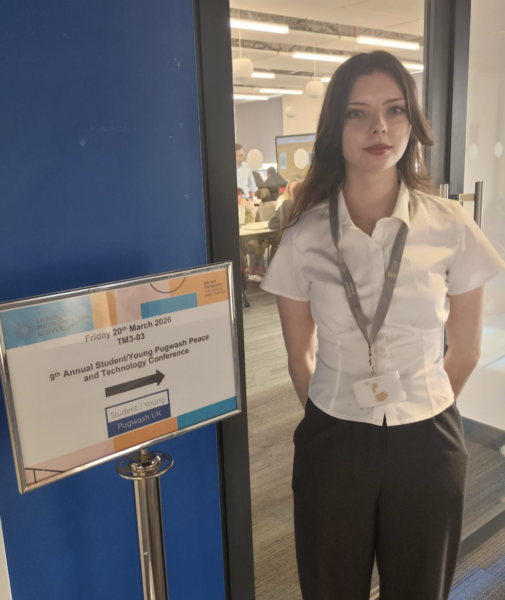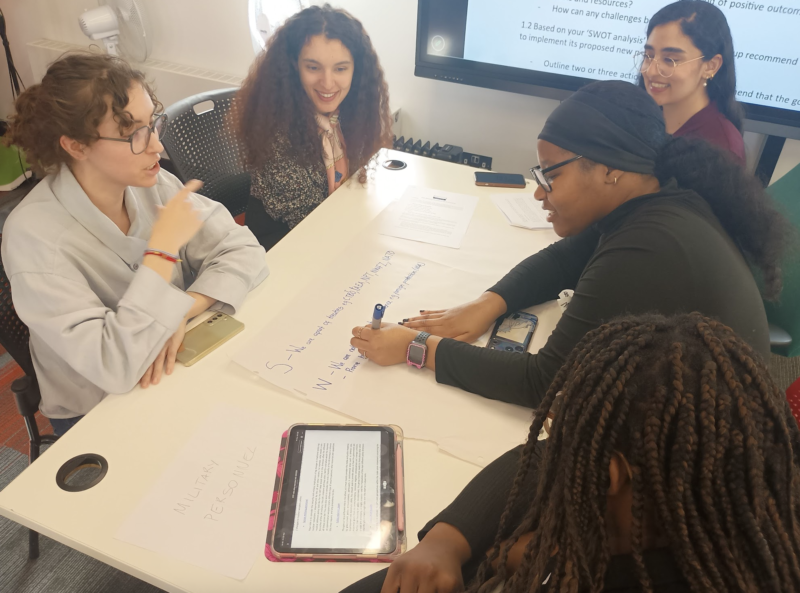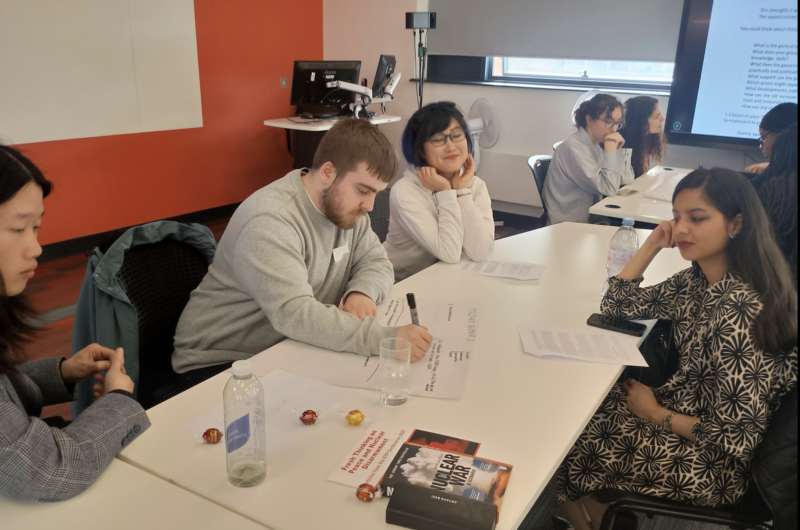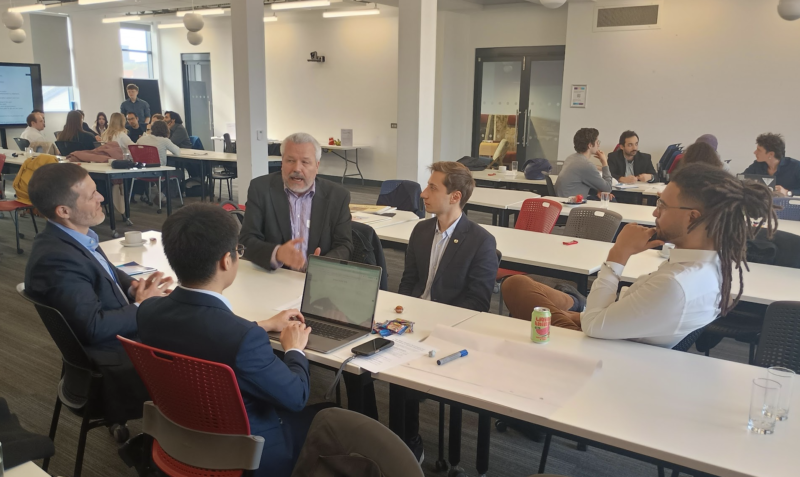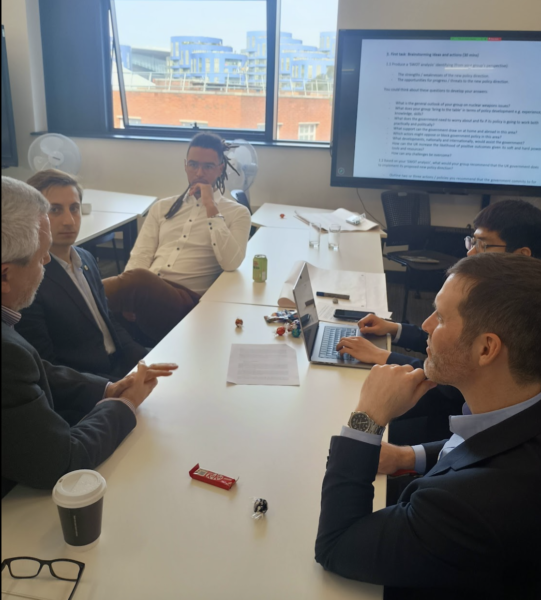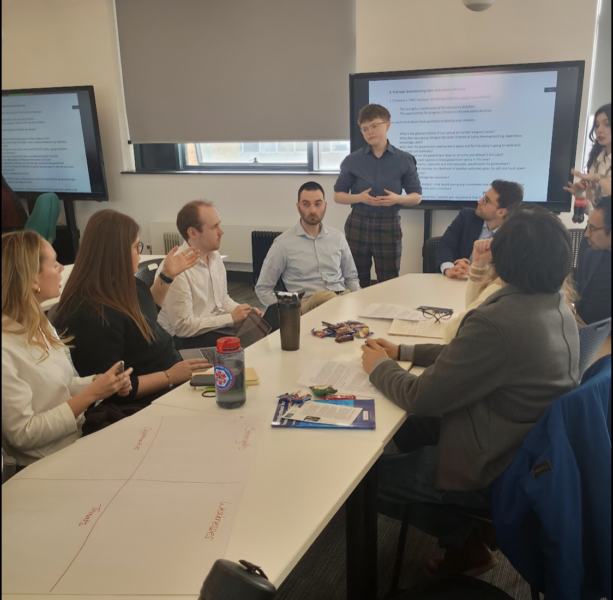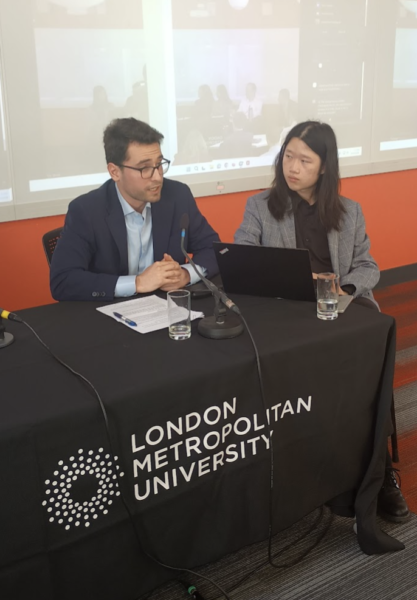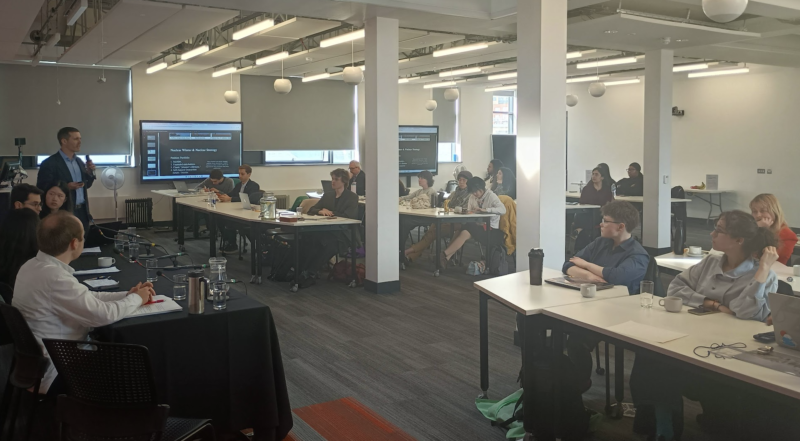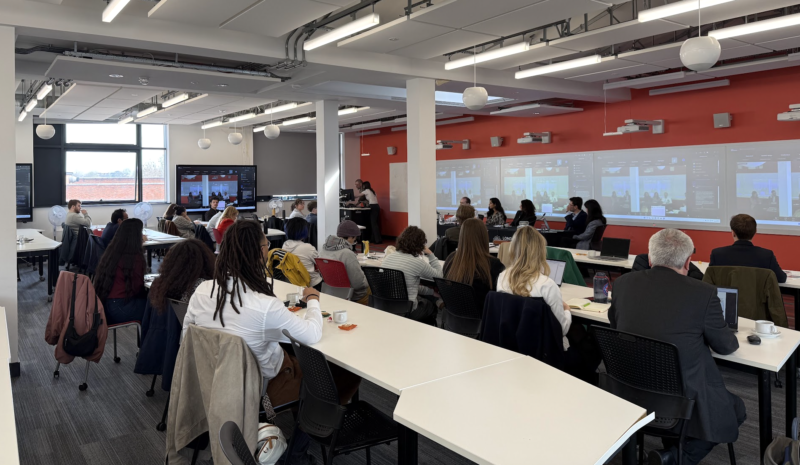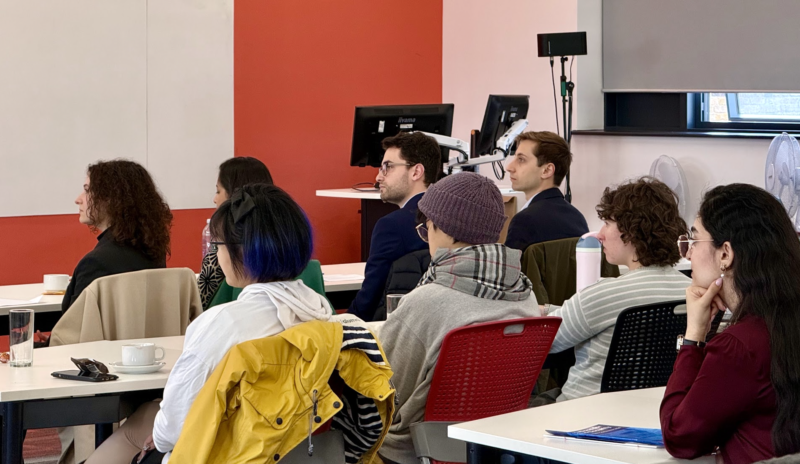
The venue for our conference, held on 20 March 2026, was London Metropolitan University.
The conference theme was ‘How can we control and eliminate weapons of mass destruction over the next decade?’
The aim of the event was to encourage critical discussion of the legal, political and technical questions associated with nuclear weapons and other WMD, with a focus on ethical science.
Key questions that were explored include:
- What are the regional and global politics of nuclear weapons and WMD today?
- How should nuclear weapons and WMD be regulated and eliminated, for example, in terms of arms control and disarmament?
- What is the impact of emerging and disruptive technology on international peace and security?
Below is a summary of all the presenter information from the conference, including: photos, videos, slides and contact details.
NB all videos are also available on our YouTube channel
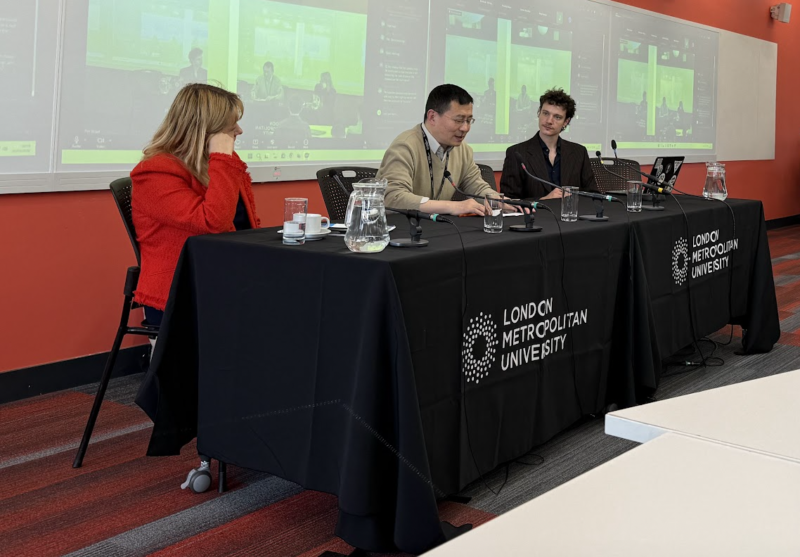
Keynote panel: 10.00-11.00
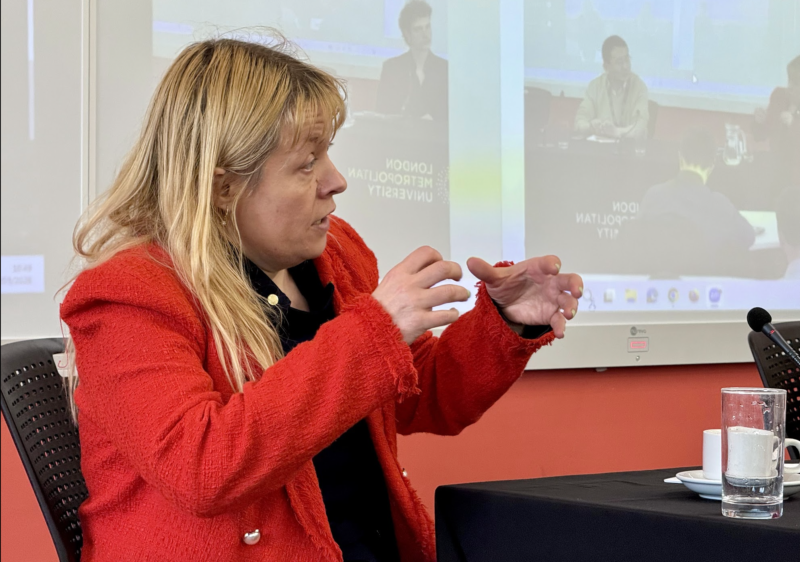
- Jane Kinninmont, Chief Executive Officer at the United Nations Association–UK
- Professor Lijun Shang, Professor of Biomedical Science at the School of Human Sciences, London Metropolitan University
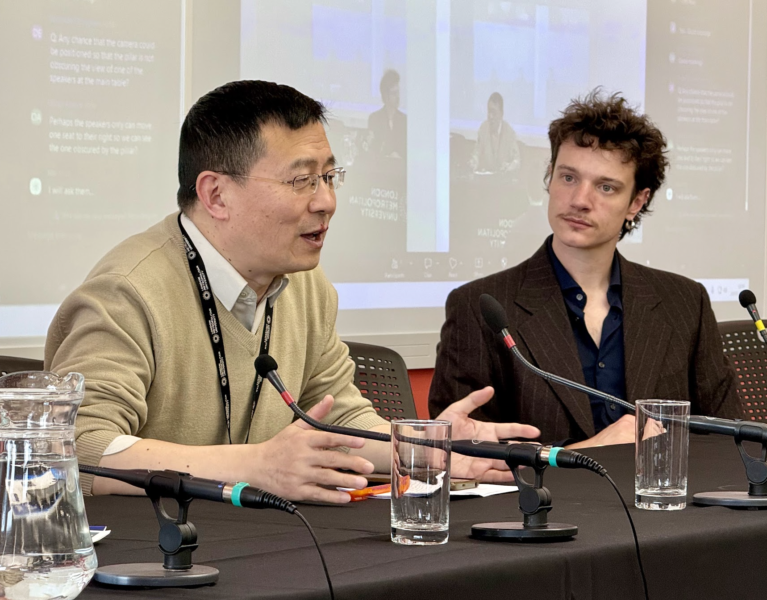
Chair: Matteo Bordin, Student / Young Pugwash-UK board member
First presenter panel: 11.15-12.45, Regional and global challenges posed by nuclear weapons
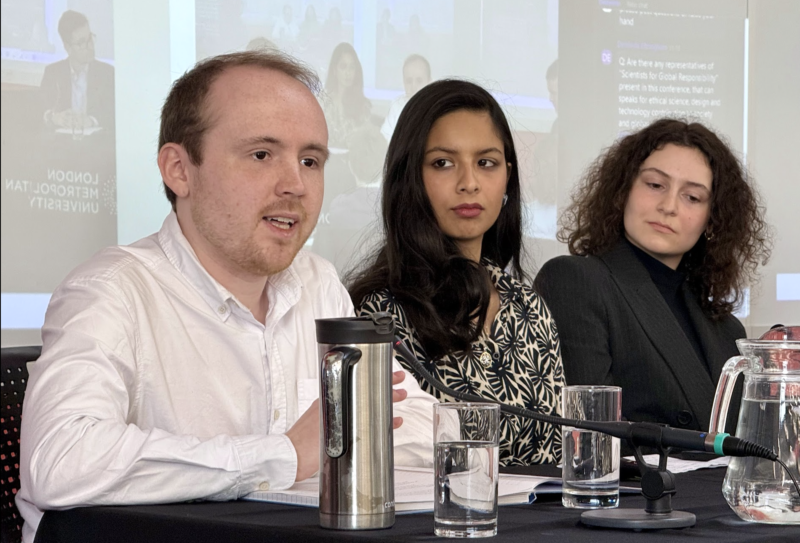
- Tom Dunkinson, PhD Student, University of Warwick: Tom.Dunkinson@warwick.ac.uk
“Sell me this Atom: The Profit Motive and the Development of the Nuclear Non-Proliferation Regime”
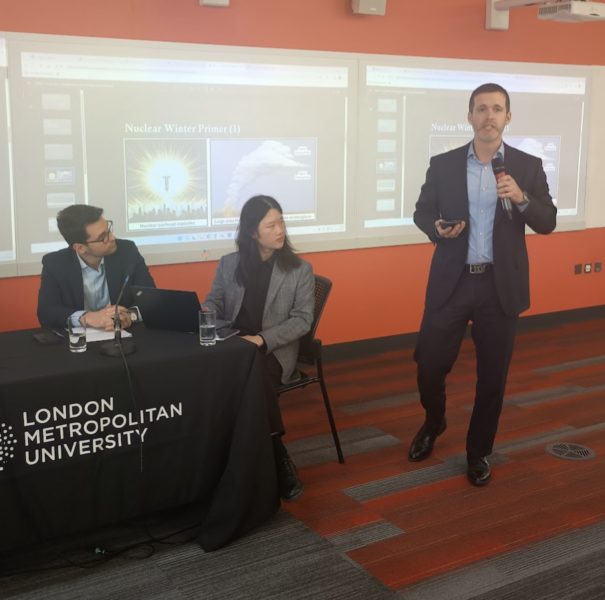
- William N. Faulkner, PhD Student, University of Sussex: william@fluxrme.com
“Long-Term Consequences and Strategic Reasoning: Nuclear Winter Tensions in Strategic Frameworks”
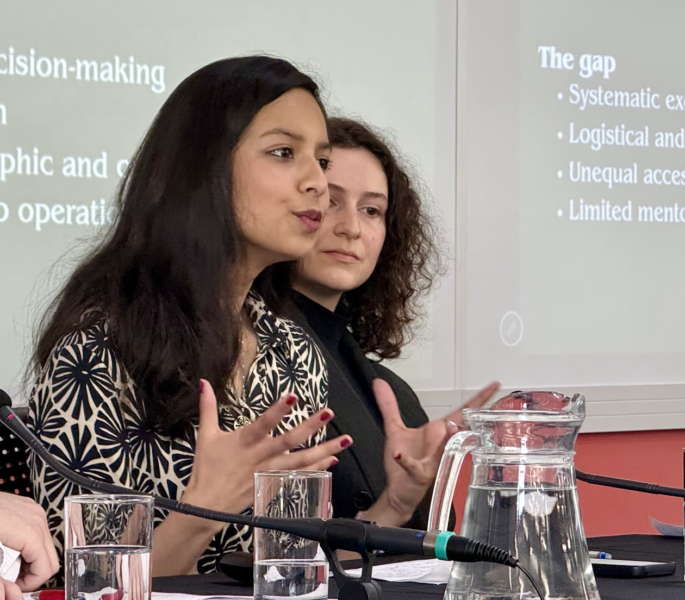
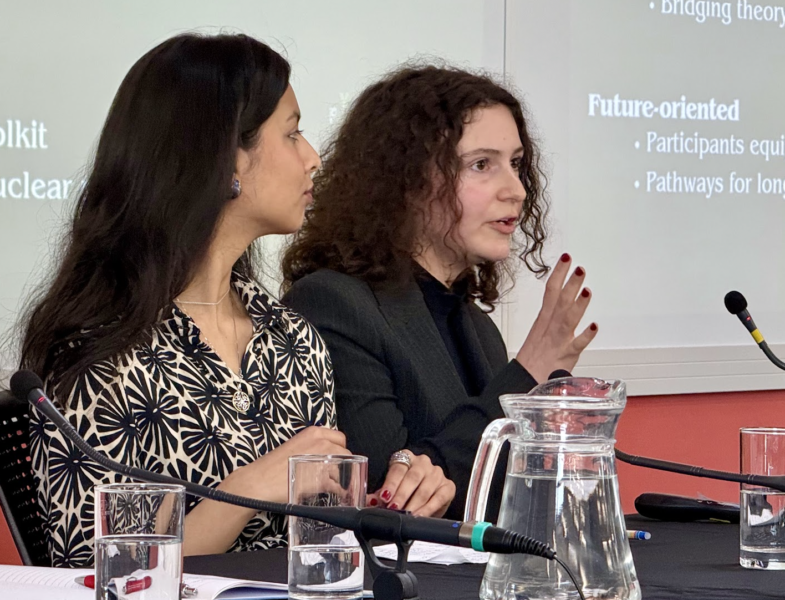
- Camilla Braito, Lead Coordinator at Youth Fusion, Pisa, Italy and Ayleen Roy, Lead Coordinator at Youth Fusion, Paris, France- Instagram
“The Youth Hotline Campaign – Negotiating Nuclear Risk”
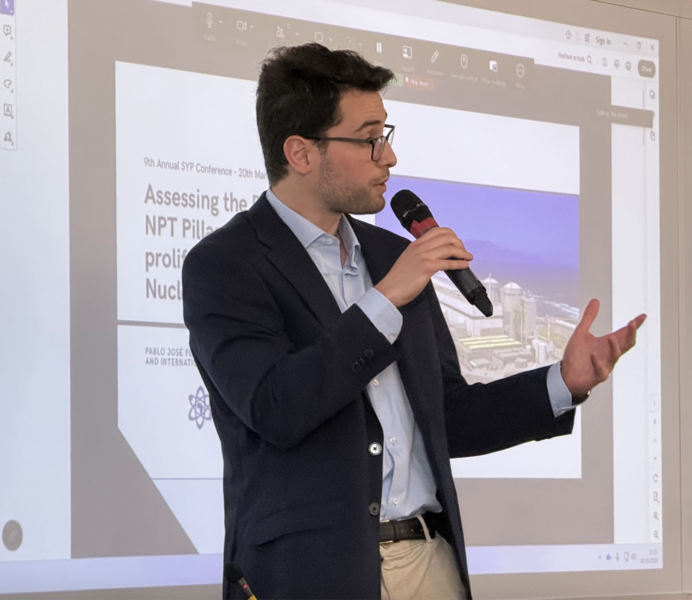
- Pablo José Pérez Cañavate, Research Fellow, African Center for Science and International Security, Madrid- Spain / Accra, Ghana
“Assessing the Potential of NPT Pillar III to Prevent Nuclear Proliferation in the Era of a Nuclear Renaissance”
Chair: Ching Wei Sooi, Student / Young Pugwash-UK board member
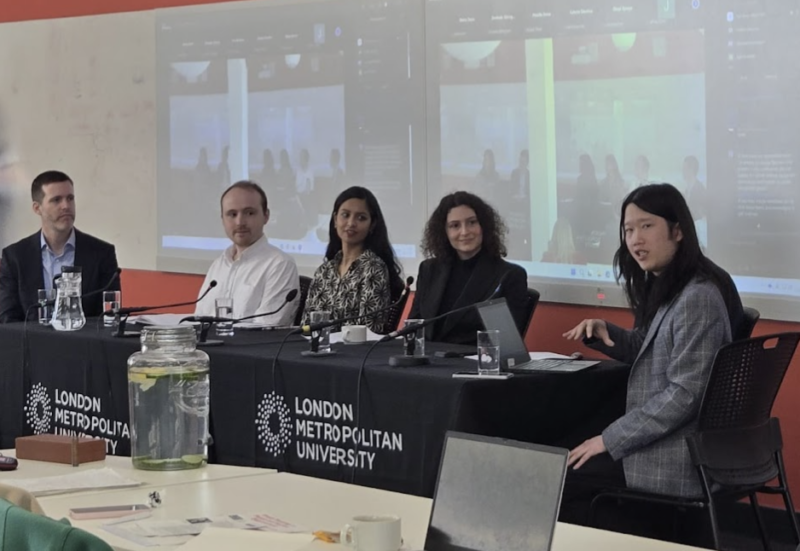
Second presenter panel, 15.30 – 17.00, The impact of emerging and disruptive technology on peace and security
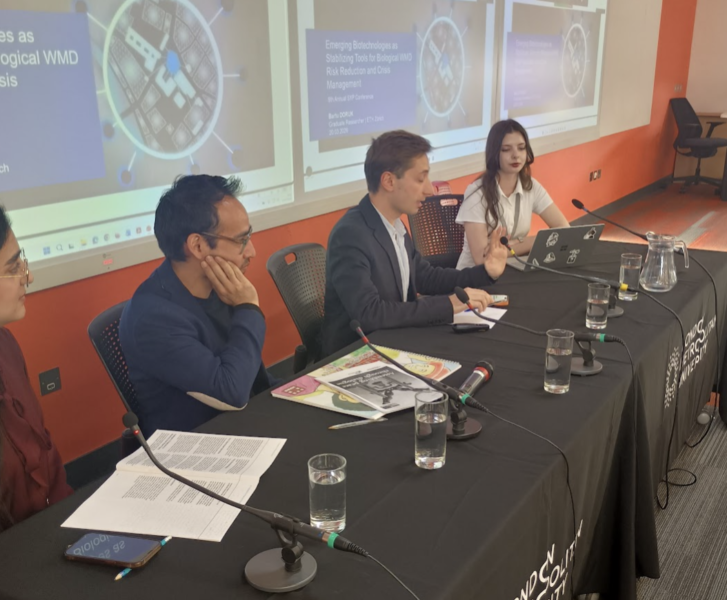
- Bartu Doruk, Graduate Researcher, ETH Zurich, Switzerland
“Emerging Biotechnologies as Stabilizing Tools for Biological WMD Risk Reduction and Crisis Management”
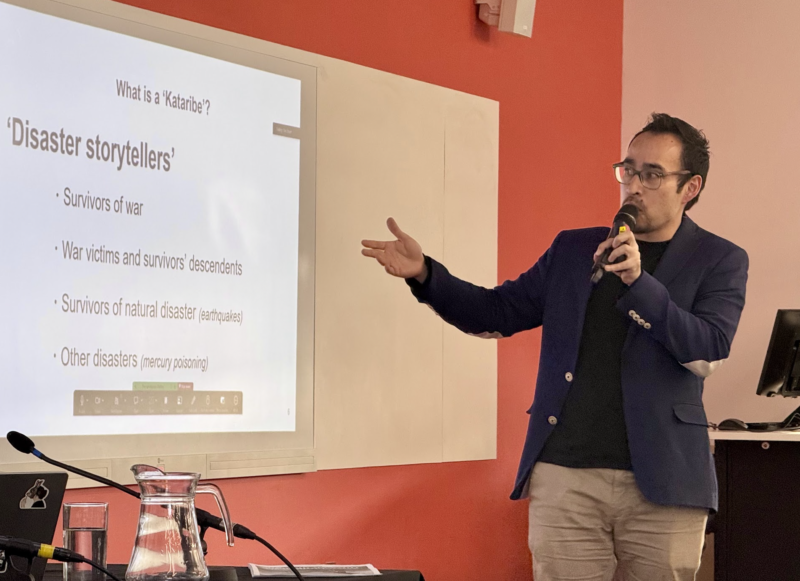
- Fernando Franco Castro Escobar, PhD candidate at Keele University, BASIC Emerging Voices Network
“The role of Kataribe Oral Storytelling in a Post-Hibakusha Nagasaki”
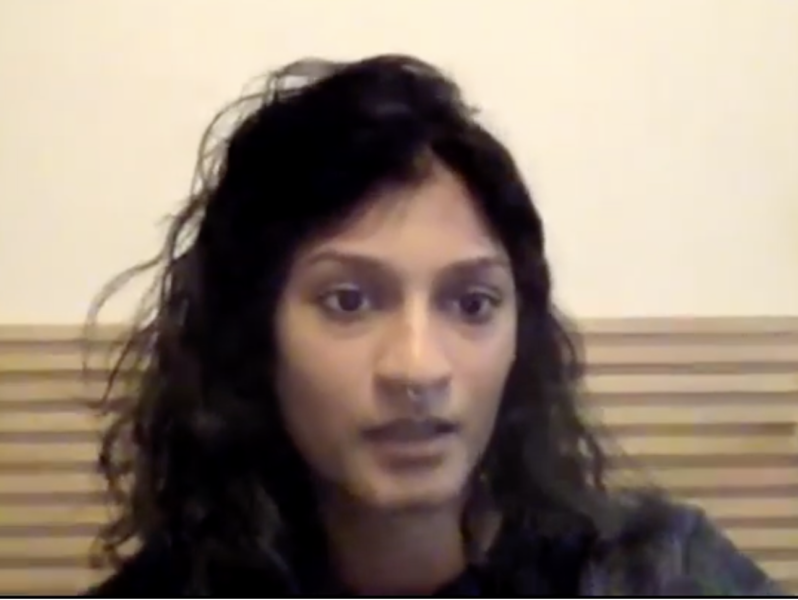
- Sathchidha Pachiappan, Researcher & International Security Advisor, Challenger Research, UK
“AI and Quantum Technologies in Nuclear Security: An Intelligence-Driven Assessment of Opportunities and Risks for Deterrence Stability from State and Non-State Actors”
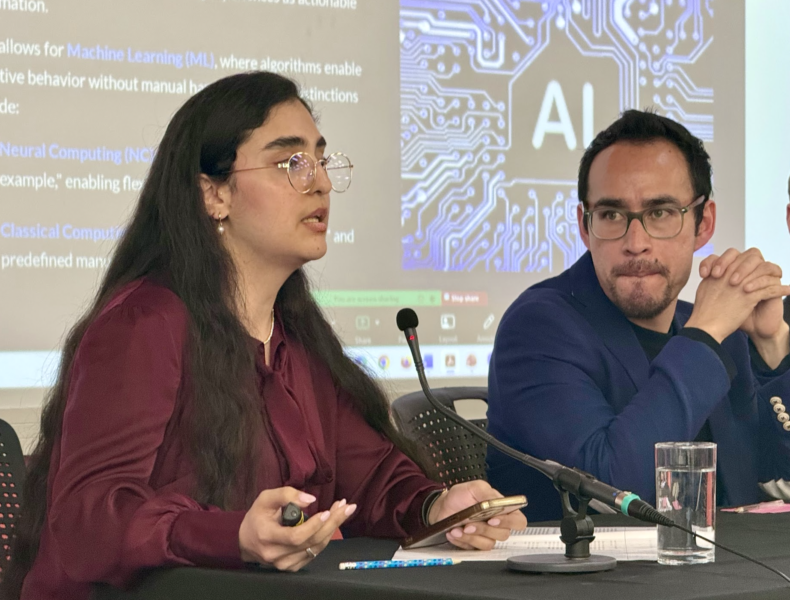
- Athraa Alezzi, Masters Student, Eötvös Loránd University, Budapest, Hungary
“The Role of Defensive AI Algorithms in National Security: The Implications of Autonomous Weapon Systems in Modern Warfare”
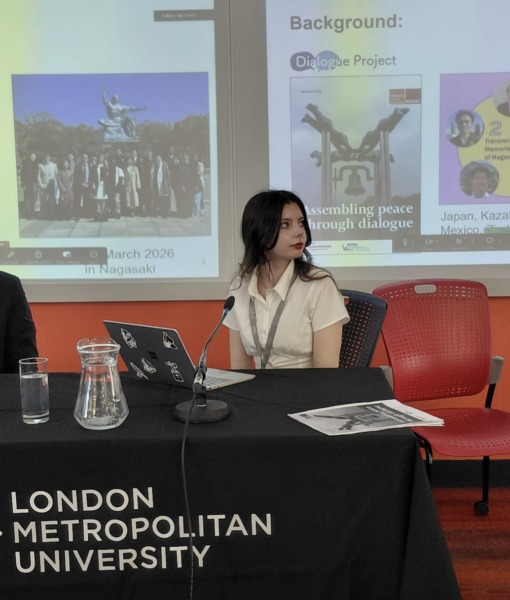
Chair: Olivia Ibbotson, Student / Young Pugwash-UK board member
Poster presentations:
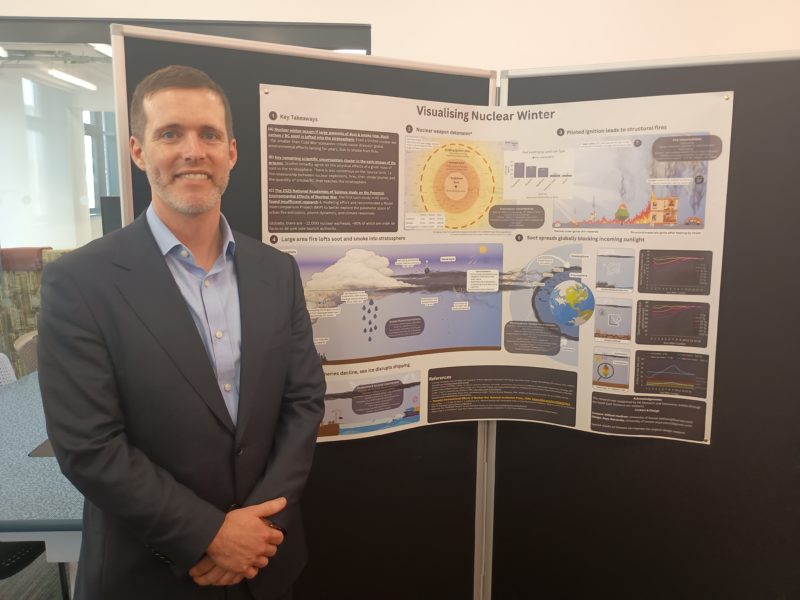
- William N. Faulkner, PhD Student, University of Sussex and Asya Ostrovsky, Masters
Student, University of Sussex: asya.ostro2@gmail.com
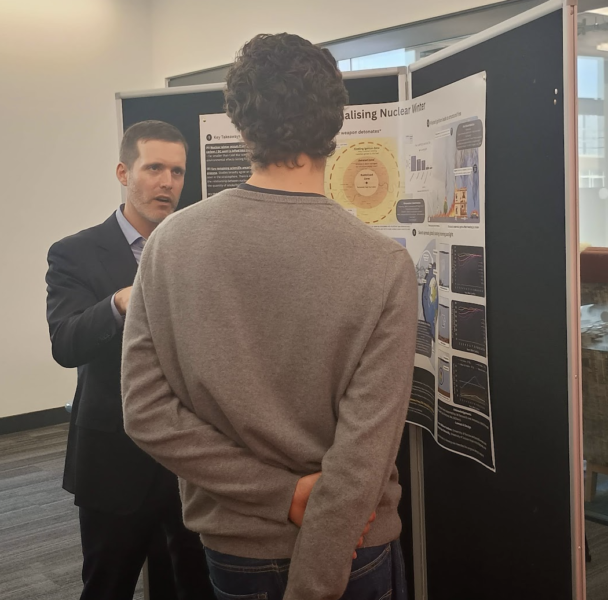
“Visualizing Nuclear Winter: A Scientifically Grounded Overview of the Causal Chain from Detonation to Global Effects”
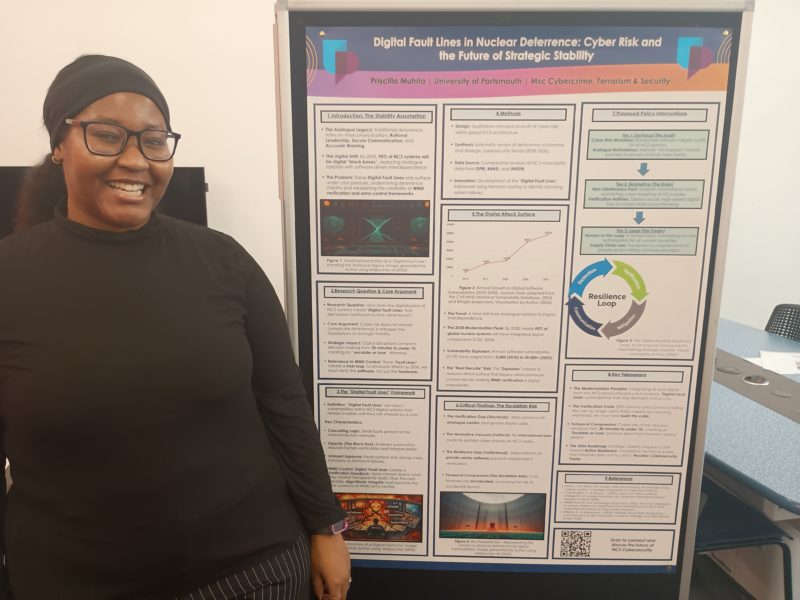
- Priscilla Muhita, Masters Student, University of Portsmouth
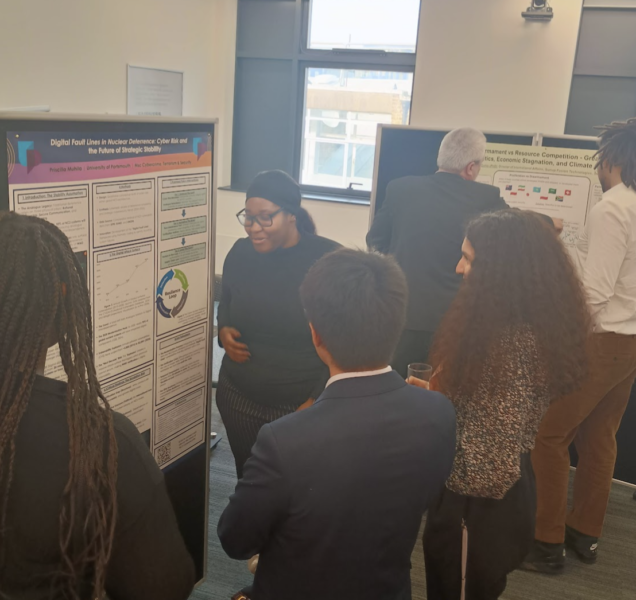
“Digital Fault Lines in Nuclear Deterrence: Cyber Risk and the Future of Strategic Stability”
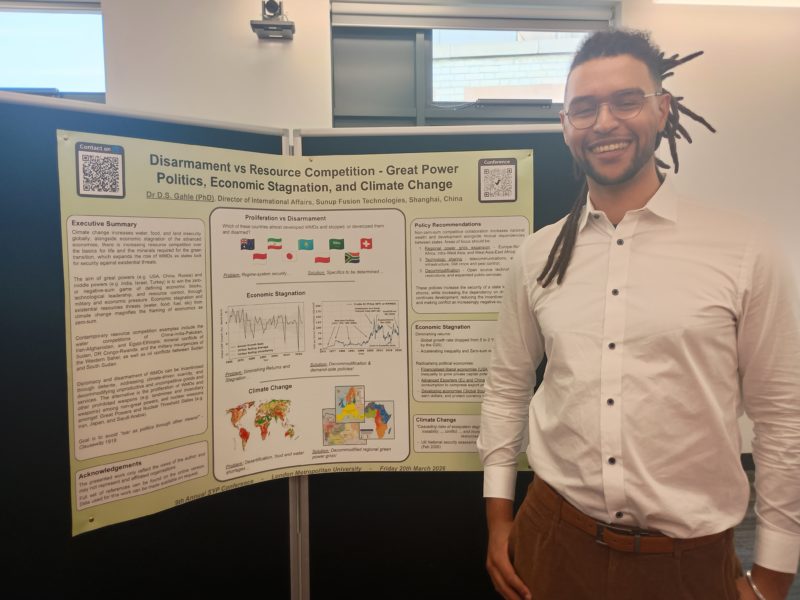
- Daljeet Singh Gahle, PhD, Director of International Affairs, Sunup Fusion Technologies
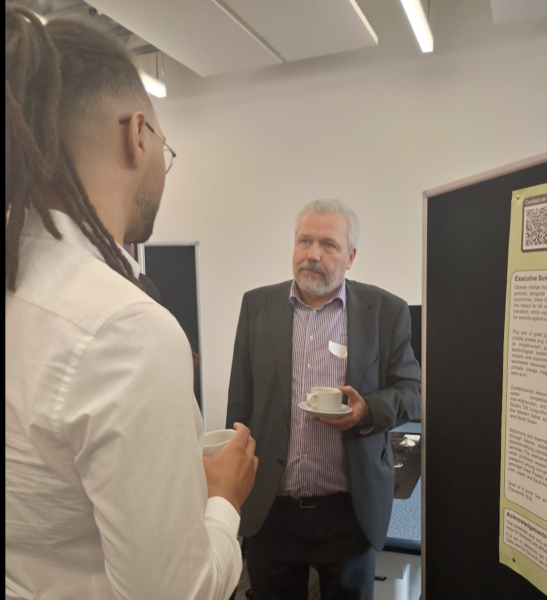
‘Disarmament vs Resource Competition – Great Power Politics, Economic Stagnation, and Climate Change’
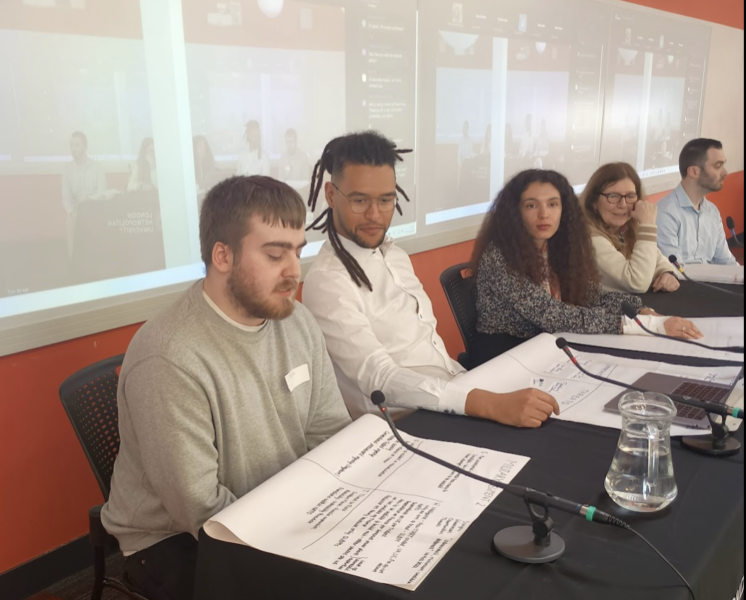
Other photos from the day (including the creative / interactive session)…