
After the 2026 NPT Review Conference: Where next for international nuclear weapons treaties and nuclear risk reduction?
Read the summary of this meeting here
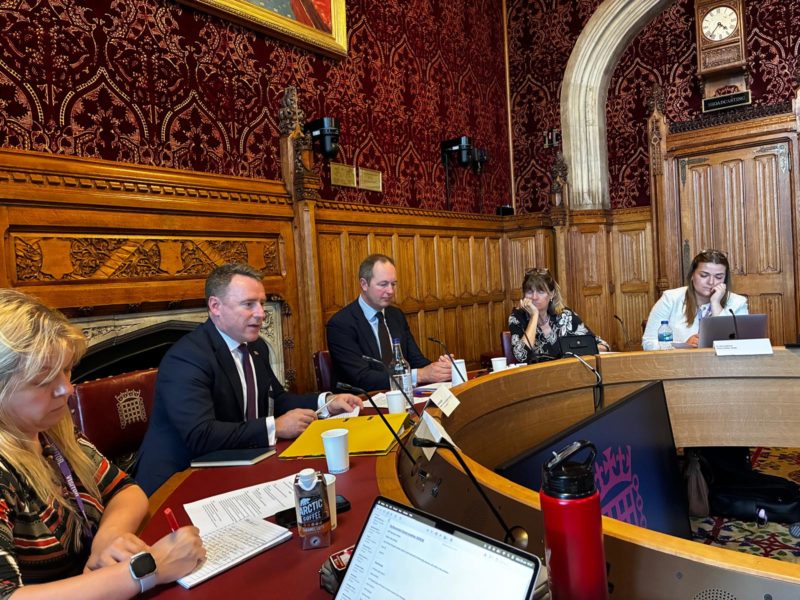
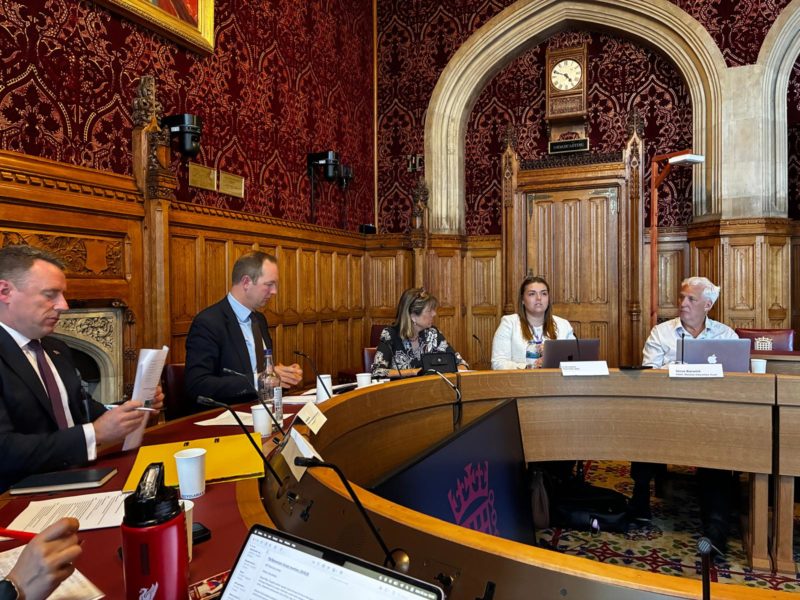
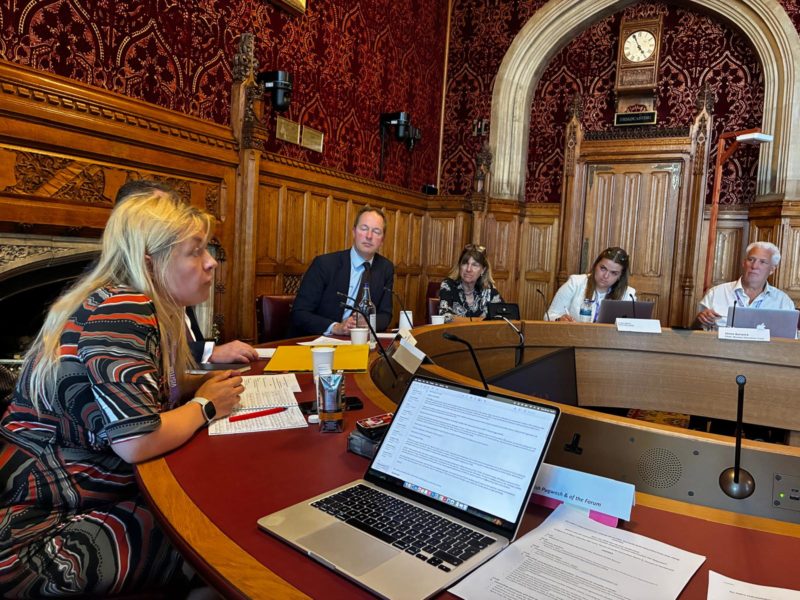
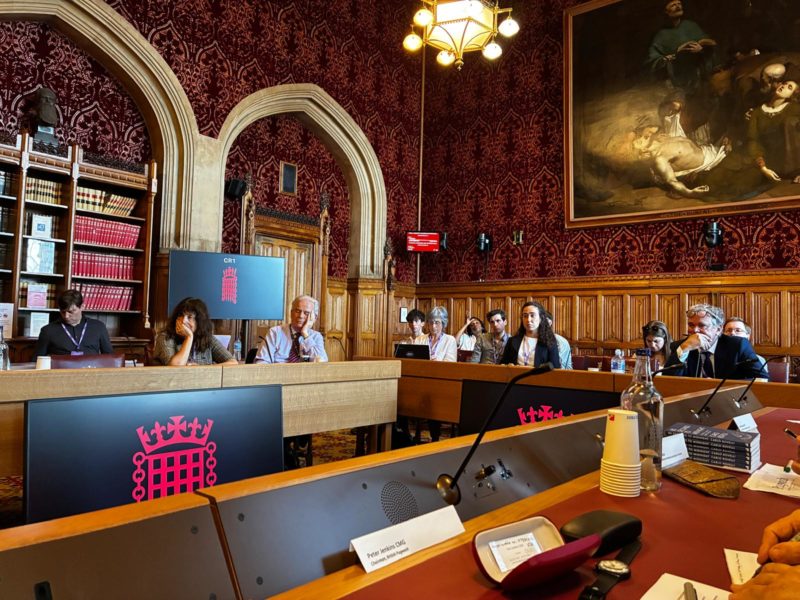
4:30pm to 5:45pm, Monday 29th June, Houses of Parliament
SPEAKERS:
- David Riley OBE, Ambassador and Permanent Representative to the Conference on Disarmament in Geneva
- Jane Kinninmont, Chief Executive Officer, United Nations Association-UK
- Dr Alice Spilman, Policy Fellow, BASIC
BACKGROUND BRIEFING
Key questions
- What were the main areas of agreement and disagreement between NPT RevCon participants’?
- What are the main challenges posed by the current international security environment to future progress on arms control and non-proliferation?
- What are the implications of there being no arms control agreements covering the US and Russia’s nuclear weapons?
- What are the perspectives of non-nuclear weapon states, including on the future of the NPT and the TPNW?
- What are the UK Government’s options now to: reinforce the nuclear taboo; lead by example on transparency; and advance global nuclear use risk reduction measures?
- In the debate about the UK Defence Investment Plan, are there any opportunities to raise nuclear weapons and disarmament issues?
- How do MPs and Peers best raise, in their respective Houses, issues relating to the NPT RevCon and the urgent need to support multilateral nuclear arms control and non-proliferation efforts?
What happened at the 2026 NPT RevCon?
The eleventh Review Conference of the Parties to the Treaty on the Non-Proliferation of Nuclear Weapons (NPT RevCon) concluded on 22nd May 2026 without agreement on a consensus outcome document. As the UN’s official summary of the RevCon noted, this occurred:
“despite the international community facing mounting and interrelated threats—from the spectre of nuclear weapons use in active conflicts, to attacks on nuclear facilities, to the destabilising implications of emerging technologies, such as artificial intelligence.”
Thus, even after “four weeks of meetings and negotiations, delegates were unable to bridge outstanding differences.” This is the third consecutive RevCon which has failed to adopt a consensus outcome.
According to Ray Acheson of Reaching Critical Will, for many delegations “the core division…remains that between the nuclear-armed and non-nuclear-armed states,” with the draft outcome document “conveying the sense that it was written by the nuclear-armed states.”
Lauren Muir of UNA-UK observed that disagreements with the document “centred on provisions related to disarmament commitments, humanitarian consequences, nuclear testing, transparency measures, and references to the Treaty on the Prohibition of Nuclear Weapons (TPNW). Over the course of the negotiations, much of the stronger language on these issues was diluted or removed following opposition from several nuclear-armed states and some of their allies.”
For Daniel Salisbury of IISS, meanwhile, the deadlock largely resulted from “the language surrounding Iran’s non-compliance” with the NPT, with efforts to reach consensus “further complicated by ongoing regional conflicts where nuclear facilities have been under attack – now in the Middle East as well as in Ukraine.”
Overall, the difficulties facing the RevCon process are significant – resulting from the extremely challenging political context. Yet those who value the NPT, and are concerned about its survival, should be reassured that the Treaty retains wide support, with active participation from member states, who will convene at the next RevCon in 2031.
In conclusion, whilst the majority of states remain strongly committed to preventing the spread of nuclear weapons, the continued modernisation of nuclear arsenals by the nuclear-weapon states, and their repeated failure to achieve meaningful progress on nuclear disarmament, has heightened concern among many non-nuclear weapon states, civil society organisations and the public about the risks of a renewed nuclear arms race – and also led to growing support for the TPNW (which has its first Review Conference at the UN in November).
Background reading
- Official UN / national documents on the 2026 NPT Review Conference
United Nations, Video of the press conference featuring Do Hung Viet, President of the NPT RevCon and Izumi Nakamitsu, Under-Secretary-General and High Representative for Disarmament Affairs, following the closing of the RevCon
United Nations, Review Conference Ends without Consensus Outcome amid Rising Nuclear Risks
Reaching Critical Will, statements, documents, working papers and other information on the RevCon
Steven Doughty MP, Foreign, Commonwealth and Development Office, UK statement at the NPT Review Conference
- Civil society and academic analysis and commentary
Ray Acheson, Reaching Critical Will, NPT News in Review, , Editorial: Let Us Not Await the Ashes
Daniel Salisbury, International Institute for Strategic Studies, A nuclear order under strain?
Lauren Muir, United Nations Association-UK, NPT RevCon 2026: 16 Years Without Consensus
Manpreet Sethi and Hree P. Samudra, Asia-Pacific Leadership Network, The NPT’s Ownership Crisis: What the RevCon Battles Reveal
Tariq Rauf, PIR Center, Verdict on the 11th NPT Review Conference
Arms Control Association, Experts Assess NPT Review Conference
Therese Nordhus Lien, Nuclear Weapons Ban Monitor, World Divided over Nuclear Weapons as Arsenals Grow and Ban Treaty Gains Ground
SIPRI, Increasing focus on nuclear weapons amid heightened escalation risks
…
BRIEFING PREPARED BY DR TIM STREET AND STEVE BARWICK ( SECRETARIAT OF THE FORUM)
The summary of the first meeting of the Forum is available here.